Introduction
For some time, the boy did not realize that his outfit could affect his romantic life. Trying to comprehend why he was unsuccessful with ladies– despite being intelligent and good-looking– he concluded it must be down to some indefinable chemistry or what they talked about. Nevertheless, he eventually became aware of the fact that what one wore could have an effect on how one felt: while preparing for a date, for instance, a dress that seemed unsuitable (too tight, too bright, etc.) might cause worries such as ‘Did I put on too many sequins?’ or ‘Is this outfit more appropriate for a day at the zoo than a restaurant?’
If so, these thoughts could distract him from getting ready and make him feel less confident and appealing– thereby affecting his chances! But over time he learned choosing clothes wasn’t about following fashion rules or trying just to impress anyone. He realized it was simply about making sure there was alignment between who he was (his personality), what he was going to do (the date)– and where (the environment).
When his outfit felt authentic and appropriate for the occasion, things fell into place. Suddenly he felt more relaxed– with confidence flowing so he became open towards others too! This self-belief was evident not only in how easily he stood but also when talking/listening closely; genuine connections blossomed organically because feelings of attraction were not manufactured via garments designed explicitly for that purpose alone.
Table of Contents
Why Your Outfit Matters More Than You Think
Your clothing sends a message before you can even speak. In truth, clothes convey subtle hints about how much effort we put in, our awareness of situations, and even respect for ourselves– whether people like this idea or not. When I arrived on dates looking thoughtfully put together, I noticed something interesting: My companions seemed more engaged & curious about what we might do next! Expensive labels or having every item styled to perfection didn’t play a role here, it was all down to showing intention; making an effort demonstrated that things mattered which helped start things off positively for both sides.
And it’s not just first impressions either– the clothes you wear can affect how you feel inside too. A boost of confidence comes almost automatically when one is dressed well; sitting up straight becomes easier than making eye contact with people is less daunting as is speaking to them. Clothing stops being simply about appearance and can become a real psychological tool. Dressing well isn’t about vanity at all— it’s creating conditions to feel safe and confident, especially when your emotions might be on show, such as going out on dates.

Dressing for a Casual Coffee Date
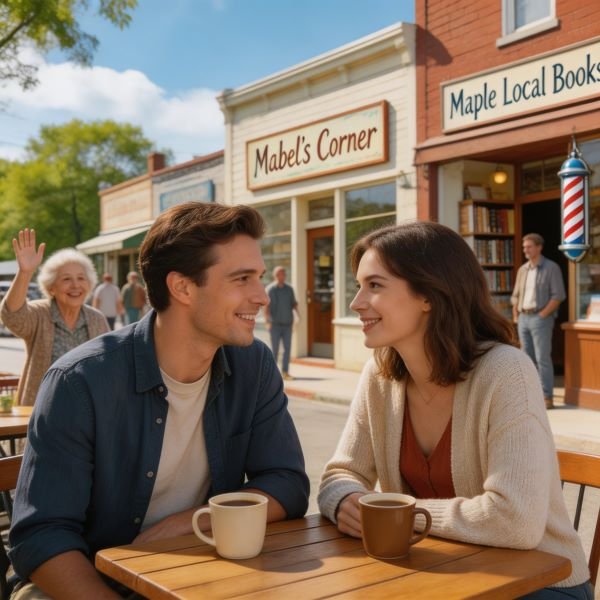
Because coffee dates are so informal and easygoing, they can be tricky to pick clothes for because there’s no pressure making them deceptive. At first I kept swinging from one extreme to the other: sometimes I’d be too smart and then I’d feel all wrong, or else I’d be much too casual and suddenly feel not caring enough about it all. Now I get that what you’re really aiming for in your coffee date outfit is ‘effortless intention’; you want to appear as if you care— but not like you spent hours worrying over it!
My goal is now clean comfortable pieces that show off the best version of my everyday style: well-cut jeans/trousers along with a simple top known for its flattering properties– plus shoes I could comfortably walk miles in. I also remember layering up because you never know with coffee shop temperatures! This kind of outfit makes me seem more approachable– and helps me relax too, which leads to more natural conversation flows. After all meeting someone new over coffee is often about seeing if there’s a spark; wearing something suitable removes worries like ‘Am I overdressed for this?’ so both people can concentrate on just getting along!
Choosing an Outfit for a Dinner Date
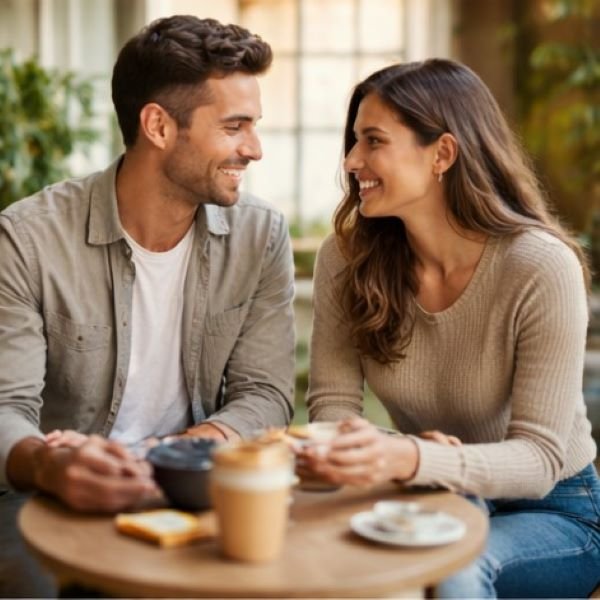
In the past, when I went out on dates, I just wore whatever was clean– but now my outfit choices say more. Dinner dates tend to have a closer vibe and more intention behind them; I’ve learned my clothes should reflect that shift too. Dressing up a bit shows you get the moment’s specialness without making it feel formal or stuffy. When I was young, I often thought “nice” meant “uncomfortable” (as in clothing) but getting older has taught me differently; comfort and style can go hand in hand!
Nowadays I pick clothes that look good but feel nice as well— think flattering shapes in soft fabrics plus shoes you could happily stroll around in. Nothing too tight or screaming for attention. When I’m comfy, conversation flows better, plus I make proper eye contact and actually pay attention! A lot of people find deeper connections over dinner– and if your outfit’s right it helps you relax into things rather than fretting about how you appear (or whether those heels will kill your feet!).
Dressing for Outdoor or Activity-Based Dates
One significant lesson that outdoor and activity-based dates taught me was the absolute necessity of comfort. I discovered— sometimes painfully— that choosing style over practicality is a decision you’ll regret: it almost always backfires. Rather than being a minor irritant, ill-fitting shoes or clothes that are too tight (or heavy) make what should be an enjoyable experience into something you just want to end.
These days I think about function first and fashion second– although never forgetting style entirely! Breathable fabrics good shoes plus layers for all weathers help me stay engaged feeling energetic while having fun. Thanks to an outfit letting me move comfortably, I feel much more at ease– present in the moment and ready to be spontaneous. Activity dates are all about shared experiences; being able to take part fully because my clothes don’t bug me (or stop me doing anything) is brilliant!
What to Wear on a First Date vs. Later Dates
First dates have their own kind of pressure: You want to be remembered well but also for being genuine. Initially, I thought maybe clothes could tell my story alone– like an ‘idealized’ version of me. But it often felt artificial; I was learning authentic connections matter far more than putting on a perfect show. When selecting an outfit for that initial meet-up, you might go for something like your usual style but neater— wanting them to see the real you rather than just a ‘dated’ look!
And as people become regular dates (or just friends), clothes become less important anyway: they drift or adapt naturally over time with no fuss at all. Subsequent meetings provide opportunities both parties may wish to take: trying out new styles together- or simply wearing clothes that feel good because there’s now enough familiarity and trust to allow it.

Matching Your Outfit to the Date’s Energy
Think about how just one date can feel playful, romantic, or maybe even thoughtful— but if the vibes don’t match up there’s this weird undercurrent of discomfort. Like, showing up super dressed-up for something casual or way too chill when it needs a little more respect can throw off the whole flow– people might not realize at first why it feels off though they sense it.
Before picking out clothes, I think about what kind of experience I’m stepping into. Is it fun? Close? Trying new things? These reflections guide my choices very much indeed– when my clothes match the emotional energy of a date, everything just flows more smoothly. Outfits communicate non-verbally! They support feelings rather than fight against them if you catch my drift.
Confidence Over Trends: Wearing What Feels Like You
In the past, I used to follow fashion trends, thinking new clothes would boost my attraction. But did I ever feel comfortable in them? Often I just felt out of sorts and disconnected from myself. I eventually realized that real confidence does not come from wearing the latest styles– it comes from feeling at ease in your own skin! When people see me wearing clothes that seem made for me– as if they understand exactly who I am! They notice a difference in how I carry myself: looking grounded as well as authentic; two things which shine through far more brightly than any seasonal outfit ever could.
After all, dating is about making connections– and those flow far more easily when you’re just being you rather than acting out some pretend part designed to impress somebody else!

Small Details That Make a Big Difference
Over time, I discovered that sometimes little things can matter more than the main clothing item. Clean shoes, clothes that fit properly, sensible hairstyles, and basic grooming are like a quiet background that makes how you look better. These details send a message of looking after oneself and having self-respect— they don’t shout for attention.
Accessories, fragrance (smell) and good posture are important too. I aim for subtlety and purposeful choices. When the details are under control there’s no need to worry about appearance- allowing total focus on what’s happening now. These finishing touches give confidence not because anyone notices each one but because together they make an ensemble seem polished and effortlessly put together.
Conclusion
Selecting the ideal attire for a date goes beyond seeking perfection or desiring approval— it’s not about needing to be a fashion expert. What really matters is alignment: making sure your clothes fit both the venue and activity whilst also reflecting your personality. When garments provide comfort (both physical & emotional!), feelings of ease come more naturally.
I have discovered that an excellent outfit enables me to forget about it altogether! When I feel good wearing something, I am able to concentrate on issues far more significant– like chatting, establishing chemistry, and forming genuine connections. Do clothes generate attraction? Maybe not directly. But they do assist in creating a space where attraction can bloom.
FAQs
Q1: Is it important to dress differently for various dates?
A1: It’s a good idea! Matching your clothes to the occasion shows you understand social cues– and also helps you relax and feel self-assured.
Q2: Should you worry about dressing too formally or not smart enough?
A2: Getting it slightly wrong by overdressing is generally safer– but balance remains key. You’re aiming for polished rather than excessively formal.
Q3: How can I tell whether my clothes are suitable?
A3: If they allow you to feel at ease yet self-assured and genuinely yourself- then that’s definitely a sign things have gone well!
Q4: Do clothes impact attraction?
A4: They influence self-confidence and first impressions, which in turn affect attraction levels.
Q5: What’s the most common error individuals make with dating attire?
A5: Choosing some clothes that look good but after all it feel uncomfortable or inauthentic.