
Change

Understanding How Seasonal Affective Disorder May Impact Dating

Understanding How Seasonal Affective Disorder May Impact Dating

Dating itself can already be quite a complex mix of excitement, being very open, uncertainty, attraction, and lots of emotional effort. When Seasonal Affective Disorder - commonly called SAD - enters the scene, dating could end up feeling even more difficult. SAD is a form of depression linked to a regular seasonal cycle, often starting in autumn or winter, though many individuals see symptoms at different times of year too. Mood swings, energy levels, sleep patterns, our ability to focus, and even our interest in things we usually enjoy really affect nearly all aspects of daily life - which can make us less likely to get out there and socialize or start dating. If I'm seeing someone who has SAD - or experiencing symptoms myself - I truly believe it's essential to realize that changes in our level of enthusiasm or schedule availability might hide something way deeper than just losing romantic interest. What seems like pulling away from outsiders might actually show someone really struggling to cope with their energy and overall emotional state.

Meanwhile, I wouldn't ever want SAD to automatically be used to explain every single issue in our dating life. We all lose interest, our relationships don't always work out, and lousy communication issues persist. Knowing about a mental health condition doesn't mean I should ignore my personal requirements or assume I completely know what they're going through either. To me, a much better strategy would be genuine curiosity combined with having lots of conversations. If someone confides in me that seasonal depression affects them greatly, I can really learn about their experiences, ask them what kind of help they find useful, and try hard not to make every change in their mood revolve around me all the time. If I notice a consistent seasonal pattern emerging within myself, I'll take it quite seriously rather than beating myself up over being less outgoing or motivated lately again. Understanding how SAD might impact our dating life will allow me to react with a lot more patience - while still holding onto those healthy boundaries and having reasonably achievable goals.
Strategies for Supporting Each Other During Major Life Transitions

Strategies for Supporting Each Other During Major Life Transitions

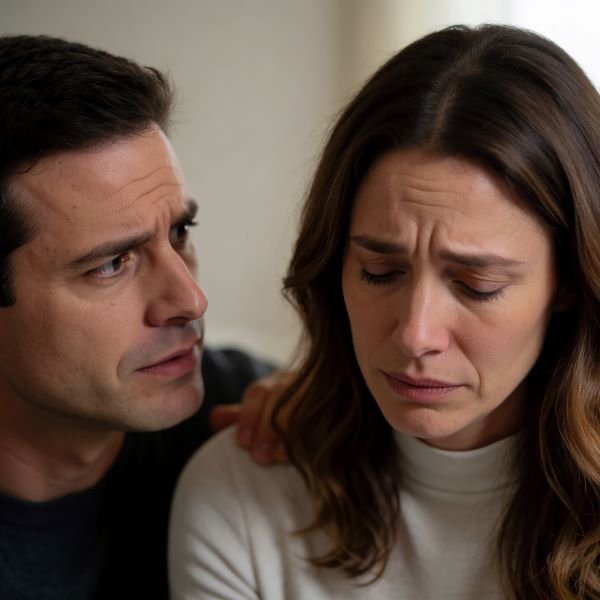
Major life changes will alter your relationship in ways you've never quite anticipated before. A new job, moving away, getting married, having children, taking care of elderly relatives, retiring, significant financial shifts, health problems, job loss - or even starting a whole new phase of your life - really affect your daily routines, your priorities, your moods, and even who we think we are all at once. What makes these times particularly tough is that the transition doesn't usually just affect one person. Even if it seems like one partner is right in the midst of the main change, the other person is usually adjusting right along with them. I've learned that's where relationships can either get much more strained - or incredibly stronger. The difference really comes down to how well both folks communicate, offer support to each other, and modify their expectations while life keeps changing all around them.

I also came to realize that support doesn't necessarily mean having all the perfect answers or keeping all difficult emotions at bay. Sometimes the most valuable support is just being there, truly listening closely, and reminding each other that your relationship continues to be a very safe space during moments of uncertainty. Major transitions really bring out fears, excitement, sadness, stress, and hope all at the same time - and those feelings don't always arrive perfectly organized. I believe couples actually do best when they let go of trying to manage change so smoothly themselves and instead concentrate on adjusting together. In this article, I'd like to delve into some practical techniques for supporting each other during major life transitions while holding onto trust, your emotional bond, and the feeling that both people are still very much on the same side.

Maintaining Physical Intimacy as You Age Together

Maintaining Physical Intimacy as You Age Together

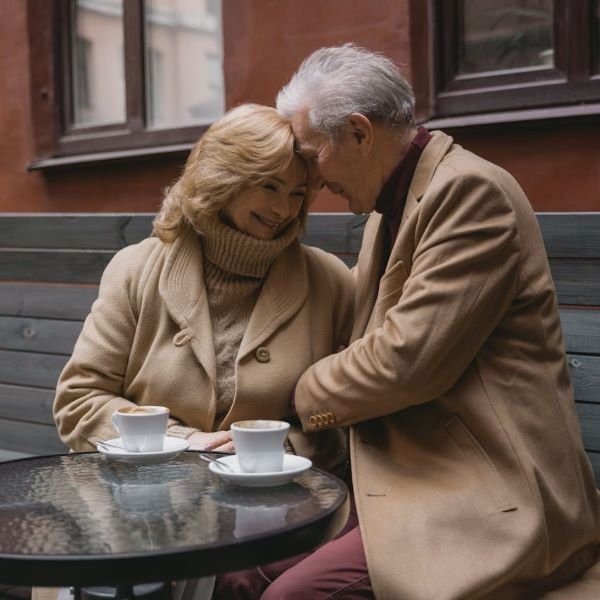
Starting a long-term relationship, I thought intimacy would always be easy. There was great chemistry; that initial spark seemed natural, and getting close happened almost automatically. But as the years passed, I realized keeping physical intimacy going takes more than just attraction— it's about effort, talking openly, and adapting too. There are many great moments in growing old together but this can make it difficult for couples to maintain their connection– they have to work at it in new ways.

For me intimacy changed! Initially, it was all about passion before evolving into something deeper– feelings of comfort with someone plus an inner sense of being emotionally secure. The ways we touched or held each other close also shifted over time; although they never stopped being important. Arguably physical contact with a partner becomes even more meaningful as we get older because it shows how strong our bond is. Here I share some thoughts from my experience on maintaining sex appeal throughout various stages (and ages) of long-term relationships: plus tips for staying connected despite life’s curveballs!

Respecting Differences: Celebrating Diversity in Relationships

Respecting Differences: Celebrating Diversity in Relationships

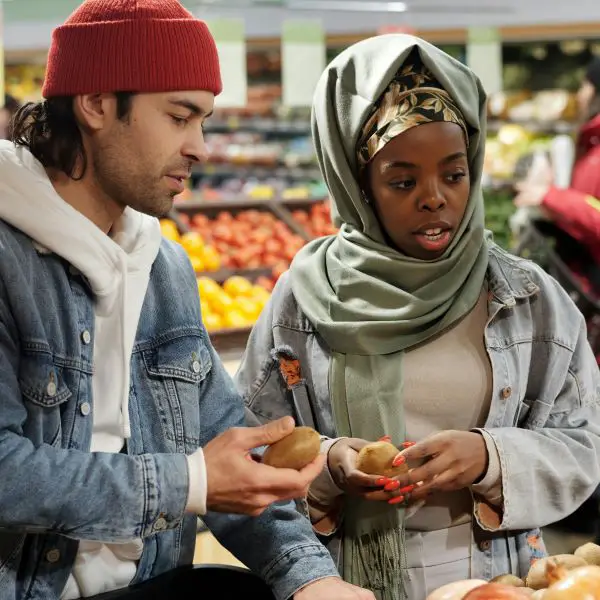
Welcome to a thoughtful exploration of diversity in relationships. In a world as rich and varied as ours, it is logical that diversity should also characterize our love affairs. After all, how can one expect a relationship to grow when everything about it is the same? These differences could range from cultural, religious up to personal ones. Taking this into account, supporting diversity shall be seen herein as an activity that has three objectives; first of all, why should we respect and honor all? Secondly, what are the ways of understanding other people’s characters? Lastly, what is love without empathy?