Using Shared Hobbies to Build Chemistry on a Date

Using Shared Hobbies to Build Chemistry on a Date

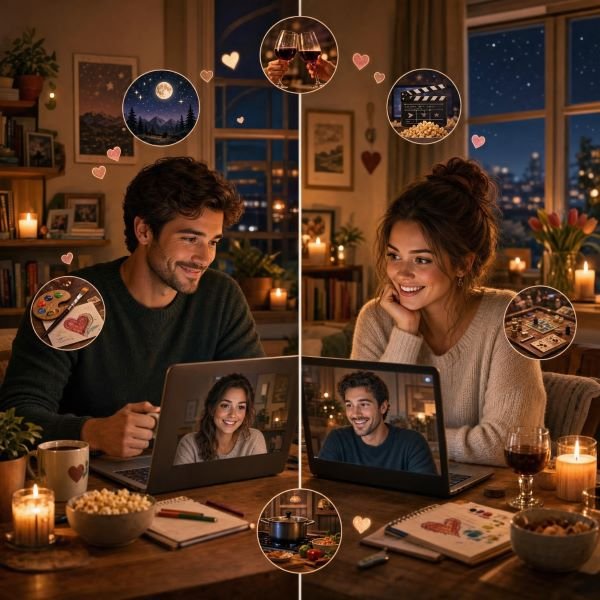
When I began dating, I really thought that chemistry was either something that appeared instantly - or didn't exist whatsoever. I believed it was all about attraction, having good conversations, and that very first spark people often talk about. And while those things are important, I finally understood that chemistry isn't always something that just happens - it's something that you can build over time. Many of the most unforgettable and meaningful connections I've had didn't result from perfect conversations - but from shared activities that let each of us really relax and have fun together.

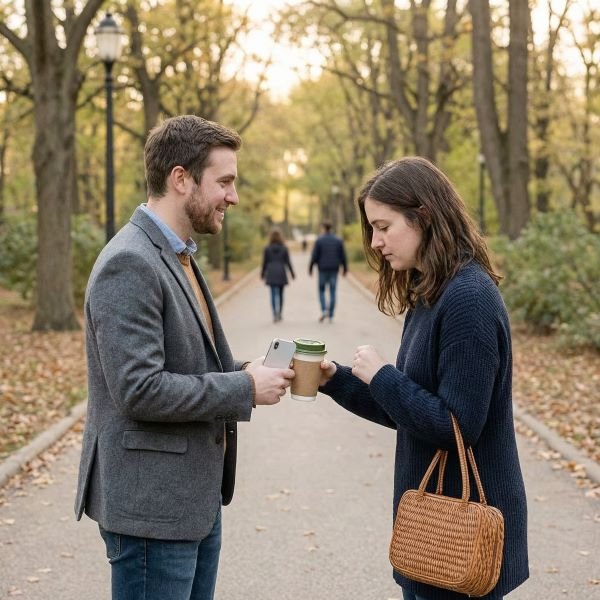
That's where discovering hobbies truly transformed my perspective entirely. Rather than concentrating on what to say or attempting to impress someone, I started focusing on what we could do together. It might be something simple - going for a walk, trying out a new thing, or checking out a hobby we had in common - those shared activities produced a very natural connection. I observed that when we were engaged in something really enjoyable, the pressure really dissipated. Conversations flowed a lot more easily, laughter came quite naturally, and the whole atmosphere felt much more authentic. By using shared activities on a date isn't just about filling time - it's about creating a setting where chemistry can develop naturally.

Handling Surprises: The Art of Managing the Unexpected in Relationships

Handling Surprises: The Art of Managing the Unexpected in Relationships

The most significant lesson I have gathered on relationships in recent times is that despite thorough planning, life will still present unexpected moments. In the past I was convinced that stability signified predictability, assuming if everything followed the set plan then the relationship would automatically remain strong. Reality was far from this assumption though. The unexpected situations whether emotional responses, changing circumstances, false impressions or sudden challenges were not exceptions but part of the relationship itself. It is our reaction towards these unexpected events that really matters most than the events themselves.

Initially I didn't cope well with the unexpected turns. I reacted emotionally tried to control things or felt annoyed when my expectations were not met. Over time nevertheless I came to see that relationships demand a certain degree of flexibility, patience and emotional intelligence. It is worth noting that not all surprises carry negative value they can give room for growth deepen your bond together and present new viewpoints too. Instead of considering surprises as interruptions I started viewing them as chances to increase communication trust and mutual comprehension between spouses.

How to Keep Your Dating Life Private from Social Media

How to Keep Your Dating Life Private from Social Media

At some point in my life, I really didn't think twice before sharing aspects of my personal life online. Social media had truly become an essential part of our day-to-day communication - so posting updates, photos, or experiences actually seemed almost automatic. Whenever I started dating someone new, my initial thought was to share the excitement - photos together, hints about the relationship, or sometimes very subtle hints that others might catch. It really did seem quite harmless back then, like a great way to celebrate something special. However over time, I really started noticing that the more I shared, the more problems developed.

I started realizing that relationships do require their own space to really grow without constant outside input. When too much of our dating life is shared online, it really opens the door to people's opinions, assumptions, and sometimes even completely unnecessary pressure. What initially began as a very private connection between just two people slowly starts to become something people observe, analyze, and sometimes judge. That change really made me reassess how I approach social media. I learned that maintaining your privacy doesn't really mean keeping your relationship hidden - it means really protecting it. By keeping a lot of my dating life offline, I could concentrate more on building my connection itself rather than showing it off to everyone else.

Tips for Creating Personal Space in Shared Living Arrangements

Tips for Creating Personal Space in Shared Living Arrangements

Living with a person you care about is one of the best experiences in a relationship. I have discovered that sharing a house provides opportunities for closer connection, effective communication and feeling of unity that is difficult to emulate elsewhere. Commonly performed daily activities become shared experiences– cooking meals together, resting after a long day, or just spending calm moments in the same area. Initially, this nearness may feel thrilling and consoling, just as if everything is falling into its right place. One gets to spend more time together, learn each other's habits, and construct a life side-by-side.

However over time I came to realize an important thing: permanent closeness can also present some problems if personal space is not respected. Without having enough room to breathe even healthy connections can turn out too much. Little frustrations become larger, tolerance can wear off, and individuality can begin to fade away. I realized that personal area is not about separating from the partner; it is about striking a balance. It lets both individuals to restore their strength, reflect on themselves, and maintain their sense of self. As soon as I understood this I could see that making personal area within common dwelling is not a sign of relationship weakness– it is really a sign of strength and emotional sensitivity.

Navigating Dating in Small Communities

Navigating Dating in Small Communities

Dating in a small communities feels very different compared with the dating in a larger city. In the bigger cities, you get many chances to meet new individuals and being anonymous helps one explore the connection of not feeling watched by all. Nevertheless, in smaller towns things work differently most of the time. Overlapping social circles exist where many individuals do know one another via friends or members of the family and all news spreads rapidly. Initially, I saw this place as a bit daunting. It was unsettling that there existed an impression that people were aware of my love life and I wasn't yet sure of it myself.

In time though I came to observe some inherent benefits in dating in such a setting of few. Despite the fact that environment appears more watchful and linked with others, it still presents potentialities for deeper or honest relationships with people. Individuals here seem to hold more serious value for their interactions and there exists a greater sense of accountability as to how individuals interact mutually with themselves. I gained knowledge regarding effective communication respectfulness as well as impatience via learning about relationships in environments like these. As opposed to viewing the narrower pool of individuals as an obstacle, I finally realized that it could be a good opportunity for establishing worthwhile interpersonal relationships centered upon common town norms.

Finding the Balance Between Passion and Comfort

Finding the Balance Between Passion and Comfort

From what I have experienced with being in relationships, there are some interesting experiences about how the emotional environment changes with time. To start with, almost every single thing is very electric at the beginning. Long conversations take up several hours, messages become very interesting, and even small interactions carry meaning. That initial stage filled with intense passion makes a relationship seem full of life and so much fun. There were moments when just being next to my partner I felt was the most thrilling place on earth. The high level of emotional involvement is powerful and such feelings are always remembered during falling in love.

However, with development of a relationship, growth happens, then something else develops together with that passion. It is known as comfort. As opposed to that continuous excitement, the relationship will start to feel safe and normal. Initially, I would wonder if that shift implied something was losing its steam. However after some time, I was able to realize comfort does not become the opponent of passion— rather it is component to a lasting relationship. The main task is not opting for either passion or comfort but is rather understanding how to keep a balance. Where both of these are present in relationships they are very exciting as well as emotionally strong and enable formation of deep attachment that will endure even beyond a few weeks of romantic mood.

When and How to Discuss Exclusivity in Dating

When and How to Discuss Exclusivity in Dating

These days dating seems more complicated than before. As I got more familiar with contemporary dating, it was clear that the initial phase of getting to know someone was interesting, but a bit puzzling. Spending time together, holding conversations, building connection but then comes an unsaid question deep within one's mind of where it could all be headed. Eventually that uncertainty matures into curiosity, and curiosity may finally develop into the demand for understanding. And this is where the chat around exclusivity starts. I once thought that exclusivity just happened naturally and wouldn't need a word. However after a while I realized that our assumptions are very likely to be wrong when both people do not have the same view.

Talking about exclusivity may present itself as intimidating because it brings out vulnerability. It entails being honest regarding what we desire, how we feel, and the direction which we wish the relation might take. In the beginning of my dating experiences I had a tendency to evade such talks because I had fears that talking about it would create tension or frighten off the individual involved. As a result of gaining some level of experience I came to realize that having clarity really signifies high degree of emotional maturity. Open conversation concerning exclusivity facilitates the mutual comprehension among the two individuals regarding their specific expectations and plans. The moment you communicate about these matters such way leaves room for growth of natural trust and regard.

Identifying and Addressing Emotional Triggers in Relationships

Identifying and Addressing Emotional Triggers in Relationships

In all relationships I was ever involved in, there were some point of time in conversations where we went off on a tangent, unexpectedly having a very intense chat. A slight thing such as an uttered comment, a certain tone of voice, or misinterpretation of meaning would evoke a strong emotional response. Initially I considered those reactions to be merely arguments or one side being in a bad mood. Nevertheless, with time, I started realizing that most of these events were linked with something profound. These were really emotional triggers, sensitive areas tied to some of our past experiences, fears, and insecurities that could emerge very quickly in a relationship. Upon getting hold of this idea, it helped me to view fights from an entirely new angle.

Identifying emotional triggers does not necessarily imply one is to blame on any side. It is rather concerned with comprehension of how individual experiences affect emotional responses. I got to know that every single individual has emotional patterns developed as a result of family environment and past relationships and different obstacles in their lives. When these patterns collided in a relationship then even tiny issues may turn into far more serious matter than they are supposed to be. Learning how to identify and deal with these triggers aided me in cultivating more sensitivity and self-control in my interactions with people. Instead of reacting quickly, I started out digging down on what might be going beneath the surface which often opened up the way to deeper insight and better manner of communication.

Building Trust During the Early Stages of Dating

Building Trust During the Early Stages of Dating

Trust is actually one of those things people talk about when getting into relationships, but not many folks really get into explaining how it actually works out— especially during the early going. Getting serious with dating, I figured trust was something that just kind of showed up naturally or maybe not. If I got comfy right away, I guessed trust was there. But if I didn't, I figured something was off. Eventually, I got it: trust isn't just flipping a switch; it's actually working on it. Trust has to build itself, usually pretty slow, mostly quietly, through little chats, showing up consistently, and staying emotionally aware. During casual dating, trust isn't about just assuming someone will be okay or getting super vulnerable. It's about seeing how someone shows up, how they communicate, and even how they act with you and the whole thing you're making plans for.

What made early dating tricky for me was getting open while also looking after myself. I wanted some connection, but I didn't want to rush into intimacy or just ignore any warning signs. I realized building trust doesn't mean sharing too much or trying to get attached fast— it's actually getting a foundation where honesty, safety, and respect can all work out naturally. Once I stopped trying to force trust and started actually thinking about how it actually builds up, dating got way less confusing and actually kind of grounded. Trust stopped being something I was hoping for and turned into something I actually worked on, getting it done one conversation at a time.

Supporting Your Partner’s Mental Health Journey

Supporting Your Partner’s Mental Health Journey

Getting help for your partner's mental health is one of the really important—and sometimes tough— jobs we can do when we're in a relationship. I used to think just loving someone was enough. I thought if I showed I cared, offered a hand, and tried to stay positive, my partner would get a little better during tough times. But after a while, I got it– mental health doesn't work out quite right. It's not something you can fix with getting reassured or being hopeful, even trying hard. Mental health stuff is kind of tricky, really personal, and often gets hidden from outsiders. When my partner started working on their own mental health thing, I realized I didn't really get what actually supporting them looks like.

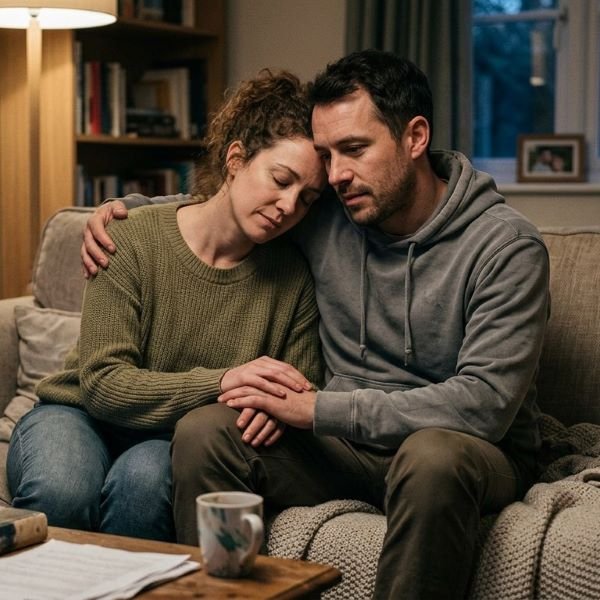
Realizing that things changed is realizing support isn't just about saving someone up– it's about actually getting along with them. It's about being patient, humble and okay with getting uncomfortable without trying to control it all. Getting my partner's mental health brought up my own expectations, fears and limits. I kind of got that love isn't proven by fixing fights, but by sticking around and dealing with it. Getting into this job totally changed how I think about partnership, being empathetic, and emotionally tough in our relationship.