Introduction
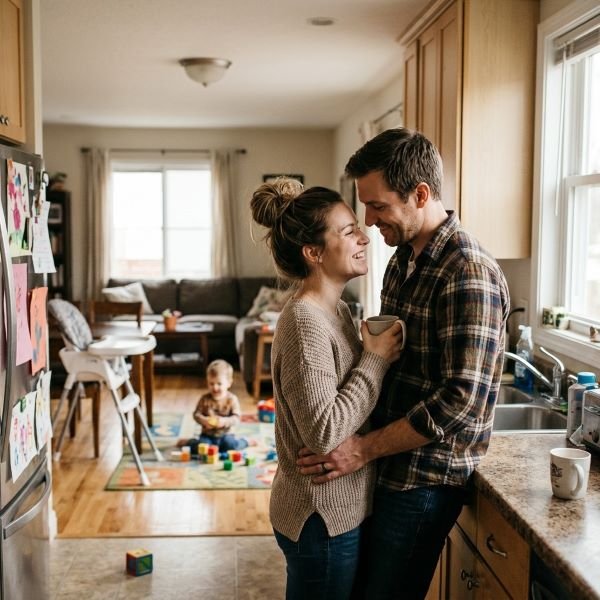
Living with a person you care about is one of the best experiences in a relationship. I have discovered that sharing a house provides opportunities for closer connection, effective communication and feeling of unity that is difficult to emulate elsewhere. Commonly performed daily activities become shared experiences– cooking meals together, resting after a long day, or just spending calm moments in the same area. Initially, this nearness may feel thrilling and consoling, just as if everything is falling into its right place. One gets to spend more time together, learn each other’s habits, and construct a life side-by-side.
However over time I came to realize an important thing: permanent closeness can also present some problems if personal space is not respected. Without having enough room to breathe even healthy connections can turn out too much. Little frustrations become larger, tolerance can wear off, and individuality can begin to fade away. I realized that personal area is not about separating from the partner; it is about striking a balance. It lets both individuals to restore their strength, reflect on themselves, and maintain their sense of self. As soon as I understood this I could see that making personal area within common dwelling is not a sign of relationship weakness– it is really a sign of strength and emotional sensitivity.
Table of Contents
Understanding the Importance of Personal Space
One of the very first things I learned was that having personal space is really important for the good of individuals and the health of relationships. When I did not have enough space to myself, I started to feel exhausted mentally and emotionally. It was not because I did not care about my companion– it was because I required some time to reconnect with myself. Having personal space lets me go through my thoughts, relax and restore my energy.
In a shared residence it’s straightforward to believe that spending all your time together strengthens the bond. Nevertheless I’ve seen that healthy relationships demand both connection and autonomy. Having personal space creates that balance. It makes sure that both partners preserve their individuality and yet look after the relationship. Without it, even the strongest ties will feel tight over time.
One thing I didn’t get right away in our cohabitation was how easy it is to experience an emotional overload when there isn’t enough room for personal space. In a shared environment continuously, even minor emotional changes can seem amplified. Without time to recharge on their own, slight irritations build up faster than one anticipates.
I started to see that if I did not take out time for myself, I became more sensitive. Things that usually wouldn’t disturb me felt like too much. Making personal space allowed me to pull back, get back my view, and go back into the relationship with a calmer attitude. This improved my mood and helped to keep a more peaceful and supporting dynamic between us.
Communicating Your Needs Clearly
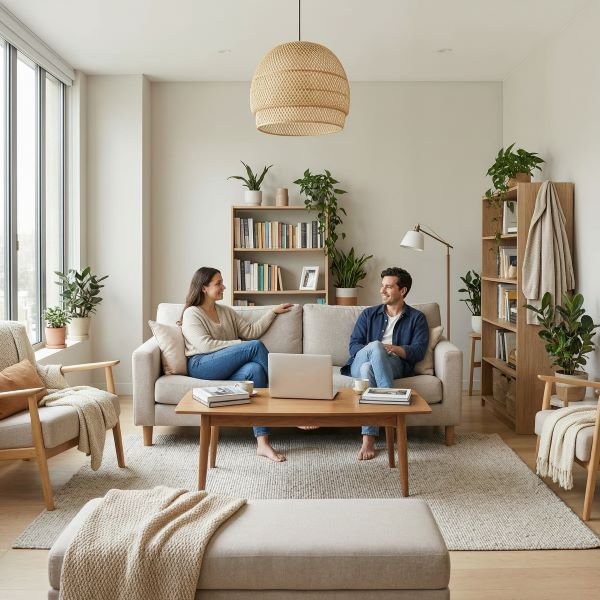
Creating a personal space starts with the effective communication. In the early stages I had difficulty to express my need for “my own time” because I was concerned that it would be misconstrued. I did not want my partner to feel unwanted or assume some kind of stepping back. Nonetheless, evading this conversation frequently resulted in irritation.
After beginning open communication, improvements were evident. I explained that requiring personal space was not about removing myself but rather about achieving equilibrium. The moment that both partners comprehend one another’s requirements, it becomes less challenging to develop a plan that benefits everyone. Frank communication eliminates conjectures and contributes to reciprocal understanding.
It is also important to realize that the timing of communicating your requirement of space has equal value with what you convey. Mentioning the issue at an upset moment or following an argument can easily give rise to misinterpretations. It may be perceived as backing off rather than a natural need.
In my case, selecting calm, quiet moments for conversation proved more effective. When both of us were in good mental state, it was simpler to offer my point of view clearly and hear out my partner’s feelings too. Timing assisted in turning what could have been a delicate subject into a useful dialogue concerning how we could mutually support ourselves.
Designing Physical Space Within the Home
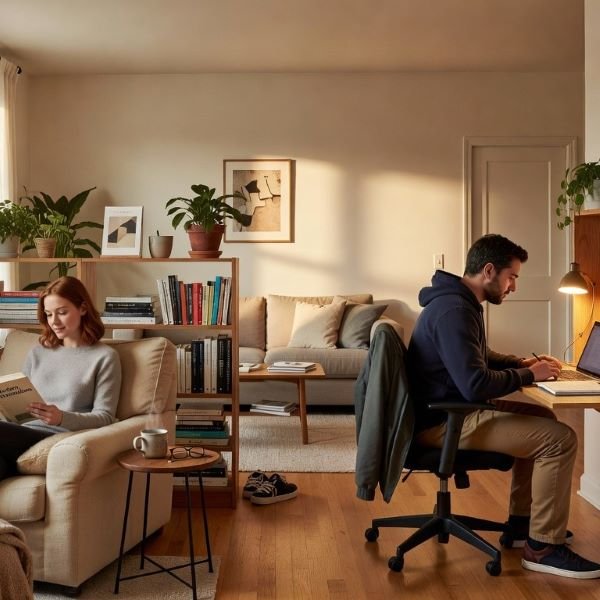
Maintaining some level of personal space is very key to our well-being especially when we live in a confined place. In my experience with small homes, I found out that having defined zones for particular activities greatly impacts the ambiance. The division could be through a separate room, a working table, or even a specified part; this separation enables us to demarcate lines of separation.
The physical divisions help in providing an evident view and inner feeling of freedom. Having such private area facilitates an easy state of relaxation plus concentration on myself. The location does not need to be big but must appear planned. Establishing real physical space helps in underlining the notion that both individuals have their own space for being themselves.
It’s not all houses that allow for visibly separated rooms or spacious individual places, and I observed that personal space may not necessarily be constant or fixed all the time. Sometimes, we can achieve this by creating flexible areas which will have several functions based on the context of the moment.
I was able to see that defining some time slots or certain occasions whereby the common room can become a personal space is equally effective. Utilizing earphones, setting up limits during office hours, or even changing around the environment temporarily makes personal space within reach even in small residences. It depends more on the purpose rather than the area size.
Respecting Each Other’s Alone Time
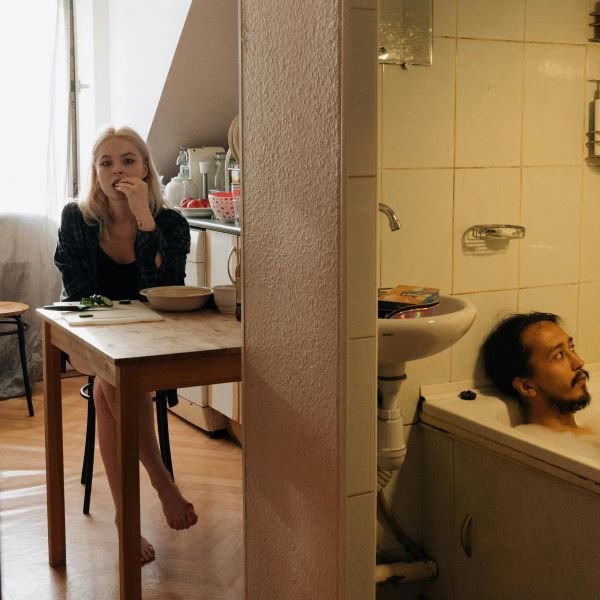
Understanding personal space is quite different from respecting it. Respecting is what matters. I’ve discovered that when my partner needs some time alone. It’s a key to acknowledge that without taking it personally. This called for an initial change of perspective for me. Instead of viewing solitude as being rejected, I started seeing it as a good component of our connection.
Establishing respect for each other’s space fosters trust. It demonstrates that both partners value each other’s requirements and appreciate the significance of equilibrium. As time passes, this shared respect generates a more at ease and supportive cohabiting setting in which both people feel understood.
It also takes establishing mutual understanding as one progresses in time to respect someone’s private space. It is not evident at all times right away how much room each individual requires or how often they require it. I concluded that this is something that evolves with the development of the connection.
By way of observation and communication, I started to get familiar with my partner’s patterns better— when they craved quiet time, when they opted for social contact, and how they regained energy. The comprehension did make it simpler to respect their demands without continuous clarification. Over time, it formed a natural rhythm where we were comfortable taking our space as needed.
Maintaining Individual Interests
One of the most effective ways I’ve found to maintain your own space is by continuing to pursue personal interests. Prior to living together, every partner has his/her own hobbies, daily routine, and passion. One should not forget about them even after getting a flat.
Involvement in self-related activities enables every companion to develop on an individual basis. For example, some people may prefer reading, doing exercises, acquiring some expertise, or spending time with friends; all these actions give individuals their identity. The relationship gets enriched with new positive energies and experiences when all partners keep up with their pursuits.
Keeping one’s personal interests intact also prevents one from becoming emotionally dependent. All actions being shared may turn the relationship into the central thing of life. Although close relations are important, depending solely on a single person for satisfaction creates heavy pressure.
I could maintain a feeling of freedom by engaging myself in different hobbies and interests. This sense of freedom contributed towards an equal balance in our relationship as both parties shared their own experiences and vitality within it. Rather than feeling closed up, our relationship seemed like a supporting environment where individuality was valued and nurtured.
Creating Healthy Daily Routines
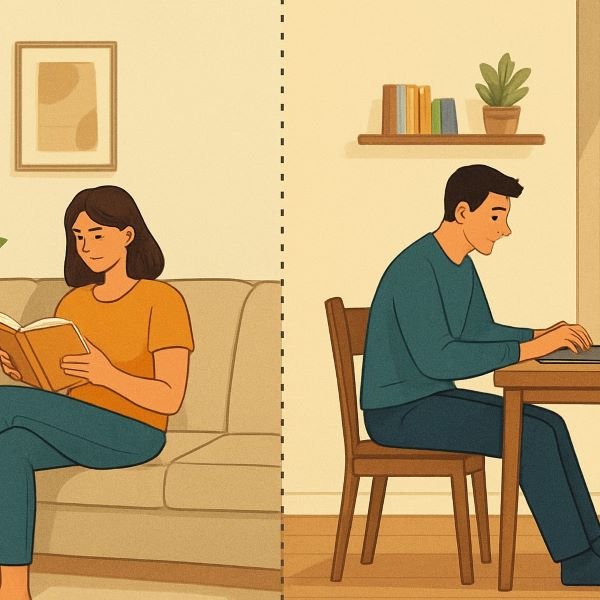
Daily routines can support our personal space or disrupt it. I found out that when everything in the day was shared it got tougher finding my own time. By establishing routines with some shared and some alone time we could achieve equilibrium again.
Take for instance having your own morning or evening routine, these offer natural chances for personal space. The routines do not have to be strict; all they give us is some structure. After a while, they assist both couples keep on their own freedom but also enjoy time together.
By building schedules that included personal time it turned into a very practical method of getting balance. I began making an effort to allocate time during the day or week that was just for myself.
The established plan eliminated the constant need to discuss personal space. Instead of waiting until I felt drained I went ahead and created a time to rejuvenate. After some time this habit made personal space seem like a usual part of our daily routine rather than something that had to be asked for or defended.
Setting Emotional Boundaries
Our personal space is not only our physical area, but our emotional one as well. I have found out the importance of setting up some sort of an emotional boundary, most importantly in days of stress. There are a few moments in which I feel I should take my time thinking about certain things prior to sharing those ideas.
Making it known that you require time helps prevent any form of confusion. Instead of acting on impulse, taking a moment of contemplation may result in far more constructive dialogue. The existence of emotional boundaries provides clearness and reduces any pointless conflicts.
Setting emotional boundaries became very crucial particularly during disagreement phases. I came to realize that all conflicts don’t necessarily have to be resolved right away. Sometimes keeping away for a short while may help prevent conversations from getting worse.
Taking time to think gave me a clearer view towards approaching those challenging talks with much lesser passion and much more thoughtfulness. Rather than acting instinctively, I was able to give considered responses. By doing so, it did not only enhance communication but also fortified trust since all parties were treated with dignity even during tough moments.
Balancing Togetherness and Independence
Achieving harmony between closeness and independence is always ongoing. It is never a task completed once and left as is. As conditions change so do our own requirements.
I have discovered that being adaptable is essential. Some days demand more connection, whereas others demand more room. When we remain mindful of these requirements and adjust ourselves accordingly, it becomes simpler to keep a good balance. Such equilibrium enables the relationship to feel closely linked and also very at ease.
Equilibrium between individual space and connection is not static. With changes in daily routines, duties, or stresses, the desire for space may change too. I have come to realize that being flexible is key in achieving this equilibrium.
Rather than attempting to formulate an ideal method, I concentrate on being sensitive to both my requirements and those of my partner as they evolve. This ability to adapt keeps the relationship alive and stops feelings of frustration from developing over time. The target is not flawlessness but continuous readjustment and mutual comprehension.
Conclusion
One key aspect in maintaining a healthful relationship when you are living with someone is to create your own space. It enables two individuals to uphold their individuality but at the same time build strong bond. Even if a couple loves deeply, without personal space the relationship may appear too demanding.
From my perspective, personal space is all about finding equilibrium rather than being apart. It makes provision for expansion, introspection, and freedom. When both parties are considerate concerning the need for separate area, their relationship becomes robust, supportive, and enduring through time.
Thinking back on it, making personal space in a shared house was among the really important lessons for maintaining a healthy relationship. It showed me that closeness isn’t just always being right next to each other. It involves respect for one another’s needs, some understanding, and equilibrium. Allowing room for distinctness has enabled me to be available in the relationship more completely. Instead of feeling trapped, I feel more present, patient, and linked.
FAQs
Q1: How do I know if I need more personal space?
A1: If you feel overloaded, irritable or mentally spent then it could be an indicator that you require some solo time to revive yourself.
Q2: Does personal space enhance communication?
A2: Yes. The moment we take a break before conversation leads to more reflective and effective communication.
Q3: What if my partner requires more space than I do?
A3: This situation arises frequently. Through open dialogue and willingness to compromise both individuals can have their comfort and respect assured.
Q4: Is it acceptable to plan out alone time?
A4: Totally! Planning for yourself can assist in making this time a regular accepted part of your daily routine.
Q5: Can having personal space boost intimacy?
A5: Yes. Time apart heightens appreciation between partners, increasing significance in shared experiences.